Mutation P84243 at position 10: K → G (K10G)
Overview
- Predicted structure (AF):
- AF-P84243-F1-model_v4
- Uniprot entry:
- P84243
- Gene:
- P84243
- Protein length:
- 136 residues
- Mutation:
- K → G
- Mutation position:
- 10
- D2Deep Prediction:
- 0.002
- Overall confidence:
- 0.753
- Pred. interpretation:
- Benign based on D2Deep prediction
-
BenignPathogenic
- Scores that are greater than or equal to 0.5 are considered "Pathogenic", while scores that are less than 0.5 are considered "Benign".
- Sequence difference
| 5 | 6 | 7 | 8 | 9 | 10 | 11 | 12 | 13 | 14 | 15 | |
|---|---|---|---|---|---|---|---|---|---|---|---|
| Original | K | Q | T | A | R | K | S | T | G | G | K |
| Target | K | Q | T | A | R | G | S | T | G | G | K |
Predicted original structure
Differences at amino acid level
| Feature | Original «K» | Target «G» |
|---|---|---|
| Name | Lysine (Lys) | Glycine (Gly) |
| Molecular Formula | C6H14N2O2 | C2H5NO2 |
| Residue Formula | C6H12N2O | C2H3NO |
| Molecular Weight | 146.190 | 75.070 (-71.120) |
| Residue Weight | 128.180 | 57.050 (-71.130) |
| Hydrophobicity index at pH 2 | Hydrophilic | Neutral |
| Hydrophobicity index at pH 7 | Hydrophilic | Neutral |
| Charge | Positive | Neutral |
| Solutibility | Undetermined | 22.500 |
| Structure Image |  |
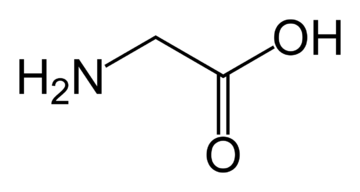 |
| Description | Lysine (Lys) is in the binding enzymes to coenzymes. It plays an important role in the way that histones function. Specifically, it binds to histone acetyl transferases which alter the transcription of certain genes. | Glycine (Gly) is unreactive when it is in proteins. The biosynthesis of serine (amino acid) purines, heme (part of hemoglobin found in the blood) and also glutathione (coenzyme) all require glycine. |
Predicted structures comparison
About these 3D Structures: The 3D structure representations of both original and target sequences (trimmed to 400 residues, from 1 to 136) will be modeled using the ESM Metagenomic Atlas tools. ESM Metagenomic Atlas is a web-based tool for protein structure prediction that uses deep learning methods to predict protein folding and structure from protein sequences.
Below the plots, you will find additional details on how to interpret the biophysical results.
Differences at biophysical features
About these plots:
These plots have been generated by using Bio2Byte predictors to plot both the
original and
target sequences.
The biophysical features are calculated when you click on the button below.
Please be patient, the process may take several seconds. This page will be redirected when the results are obtained.